
Sharing a home with pets is one of life’s great joys, but it also creates real friction when muddy paws, chewed furniture, and backyard escape attempts collide with the rest of the family’s needs. Balancing a comfortable, functional living space for kids, guests, and pets takes more than good intentions and a lint roller. With some planning around your yard, furniture, and household routines, you can create a home that works for every member of the family, four legs included. This guide walks through the practical decisions that help pet-loving households avoid daily battles over space, safety, and cleanliness.
Designing a Backyard That Works for Pets and People

Your backyard is often the biggest point of contention between pet needs and family plans, especially if you also want a play area, garden, or outdoor dining space. Splitting the yard into zones can solve most conflicts, giving pets a designated run or digging patch while protecting flower beds and patio furniture from damage. A simple layout might place a gravel or mulch dig pit along one fence line, a fenced vegetable garden on the opposite side, and a patio or lawn area in between for kids and guests.
Materials matter as much as layout. Artificial turf, decomposed granite, and mulch hold up better against digging and constant foot traffic than natural grass, while gravel paths can guide pets away from delicate plantings. Low fencing, decorative borders, or raised beds are inexpensive ways to reinforce zone boundaries without making the yard feel divided or unwelcoming.
Many homeowners bring in landscape contractors to regrade problem areas, install pet-friendly ground cover, or build in drainage that prevents muddy messes from tracking indoors. Contractors can also recommend non-toxic plants, since common landscaping choices like azaleas or sago palms pose real risks to curious dogs and cats. For families juggling multiple priorities, a consultation often pays for itself by avoiding costly redos down the line.
Think about sightlines and shade too, since dogs in particular want to see the street or yard entrance while still having a cool spot to rest. A raised deck corner, a window-level perch, or even a strategically placed bench can satisfy that instinct to monitor the territory without your dog pacing the fence line all day.
Shade matters just as much as sightlines, especially in summer months when pavement and artificial turf can heat up fast. Aim for at least one shaded resting spot that stays cool from late morning through early evening, whether that’s a pergola, a mature tree, or a simple canopy over a favorite napping area.
A well-planned layout reduces barking triggers and keeps pets content without constant supervision. Consider blocking direct views of the sidewalk or neighboring yards with a low hedge or partial fence panel if your dog tends to react to passing joggers, cyclists, or other animals. Small adjustments like these can mean the difference between a yard that calms your pet and one that keeps them on high alert.
- Use gravel or mulch paths in high-traffic pet zones instead of grass, since repeated running wears bare, muddy ruts into lawns
- Choose pea gravel or rounded stones over sharp decorative rock to protect paws, and skip cocoa mulch, which is toxic to dogs
- Add raised garden beds (at least 18-24 inches high) to keep pets away from toxic plants like lilies, azaleas, and tomato leaves
- Install shaded resting areas near windows pets like to watch from, using a simple awning, umbrella, or planted tree for natural cover
- Keep play equipment and pet zones on opposite sides of the yard to reduce collisions between kids and excited animals
- Add a low fence, hedge, or gravel border between zones so pets and children have a clear, visual boundary to respect
Choosing Fencing That Keeps Everyone Safe
A secure perimeter is non-negotiable in a multi-pet, multi-generation household, but the right fencing depends on your pet’s size, energy level, and escape tendencies. Reaching out to local fence companies early in your planning process can help you compare materials, from classic wood privacy fencing to more open metal styles that still contain a determined jumper. A good installer will also flag gate placement issues that could put toddlers or pets at risk near driveways or pools.
For homes where a traditional fence isn’t possible due to HOA rules or budget, an electric dog fence offers a flexible alternative that still keeps pets within a defined boundary. These systems work well for training but should be paired with visible markers so visitors and delivery workers understand the invisible line is there.
- Match fence height to your pet’s jumping or climbing ability
- Choose gate latches that toddlers cannot easily open
- Consider sightline fencing for reactive dogs to reduce barking
- Ask about warranty terms before committing to any fencing project
Handling Pet Health Emergencies Without Panic
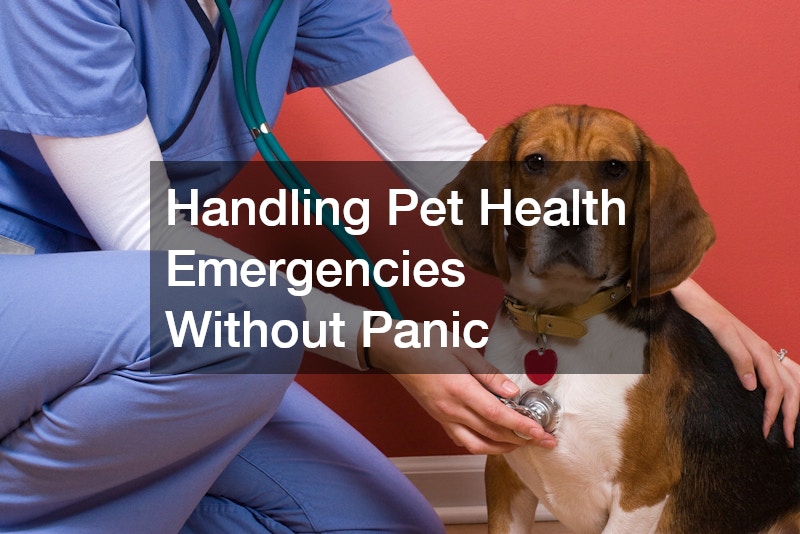
Every pet owner should have a plan before an emergency happens, not while it’s unfolding. Knowing the location and hours of a local emergency veterinarian in your area means you’re not scrambling through search results while your pet is in distress. Many regular veterinary clinics close by early evening, so identify a 24-hour option within a 20-minute drive of your home in case something happens overnight or on a weekend.
Save the clinic’s phone number, address, and driving directions somewhere accessible to every adult in the household, including pet sitters or house guests. A note on the refrigerator, a shared contact in everyone’s phone, or a card taped inside a kitchen cabinet all work well, as long as the information doesn’t depend on one person remembering it.
It also helps to keep a small emergency kit ready: your pet’s medical records, a list of current medications, and a pet carrier or leash stored somewhere easy to grab quickly. If your pet has a chronic condition, ask your regular vet which symptoms warrant an immediate trip versus a same-day appointment, so you can act with confidence instead of guessing under pressure.
It also helps to understand the difference between a true emergency and a same-day concern. Difficulty breathing, seizures, sudden collapse, bloating, or suspected poisoning warrant an immediate trip to a 24-hour emergency hospital, no exceptions. Limping, minor cuts, mild vomiting, or a case of stomach upset, on the other hand, usually fall into a different category entirely.
Many communities now have animal urgent cares that handle these non-life-threatening issues at a lower cost and with a shorter wait than a full emergency hospital. A typical emergency room visit can run $150 to $300 just for the exam, while urgent care exams often land closer to $75 to $150, with less time spent in the waiting room. Keep the address and phone number for your nearest urgent care saved in your phone, since searching for it mid-crisis wastes time you don’t have.
Knowing which facility to call for which situation saves precious time and money. It’s worth calling ahead in either case, since many clinics can advise you over the phone on whether to come in immediately, monitor at home, or schedule a next-day appointment. A quick reference list posted near the pet supplies, with both numbers and a rough triage guide, keeps every family member prepared to act calmly instead of guessing under pressure.
- Keep a printed list of emergency contacts on the fridge or in a kitchen drawer: vet, after-hours clinic, poison control, and a backup pet sitter
- Store your pet’s medical records, vaccination history, and medication list (with dosages) in a shared family folder, both physical and digital
- Learn basic pet first aid — how to stop bleeding, check gum color, and perform pet CPR — through a local class or certified online course
- Keep a stocked pet first aid kit separate from your human one, including gauze, saline, and a muzzle for panicked animals
- Ask your regular vet which after-hours or emergency facility they recommend, and save the drive-time route in your phone
- Assign each family member a specific emergency role in advance — one calls ahead, one grabs supplies, one handles transport
Protecting Furniture and Fabric From Daily Wear
Pets and nice furniture rarely coexist without a few compromises, especially with shedding breeds or cats prone to scratching. Slipcovers, washable throws, and leather or performance fabrics can extend the life of a couch significantly, but sometimes damage is already done. In those cases, furniture upholstery services can restore a beloved piece rather than forcing a full replacement, which is often more budget friendly and better for the environment than buying new.
Beyond fabric choice, training pets to use their own designated furniture, like a dog bed near the family couch, reduces the temptation to claim the humans’ spot. Consistency across the household matters here, since pets quickly exploit any family member who bends the rules.
- Choose tightly woven or leather fabrics for high-shedding households
- Rotate cushions regularly to distribute wear evenly
- Trim pet nails on a consistent schedule to reduce scratching damage
- Keep a lint roller and enzyme cleaner within easy reach of shared seating
Grooming Routines That Reduce Stress for Anxious Pets
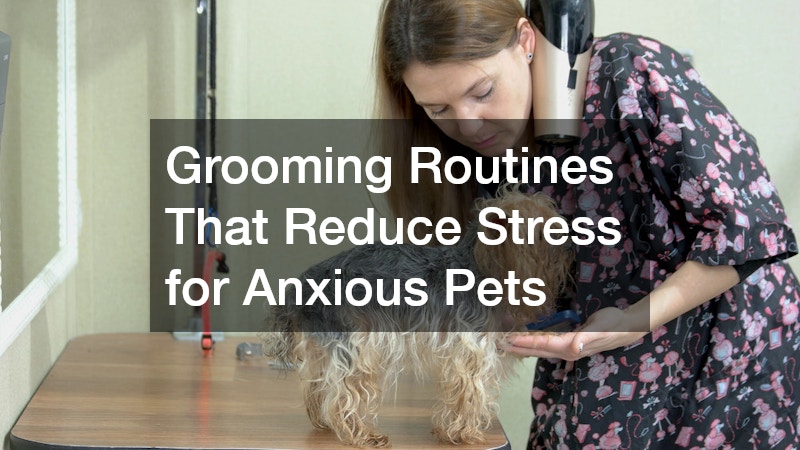
Regular grooming keeps shedding, dander, and odor under control, which matters a lot when family members share close quarters with pets. For pets that panic during nail trims, baths, or brush-outs, sedated pet grooming performed by a licensed veterinary professional can make the experience far less traumatic for everyone involved. This option is worth discussing with your vet if your pet has a history of biting, extreme anxiety, or mobility issues that make standard grooming difficult.
Building a predictable grooming schedule also helps prevent mats, skin issues, and excessive shedding from becoming a bigger household problem. Even pets who tolerate grooming well benefit from routine handling practice so visits stay calm as they age.
- Start grooming routines early so pets get used to handling
- Use treats and short sessions to build positive associations
- Watch for signs of matting behind ears and under legs
- Discuss anxiety-reducing options with your veterinarian before appointments
Building Outdoor Structures That Separate Pet and Family Space
When yard space feels crowded with competing priorities, adding a dedicated structure can solve the problem more permanently than daily negotiation ever will. A deck builder can design an elevated space for family dining and relaxing that sits above pet activity at ground level, keeping muddy paws away from outdoor furniture. This kind of vertical separation works especially well for households with large dogs that love to dig or roughhouse in open grass.
For families who want a sheltered space for pets themselves, a small structure built by a pole barn company can double as a kennel, storage area, or hobby space depending on the season. These structures are sturdier than typical outdoor sheds and can be customized with ventilation and flooring suited to animal use.
- Elevate dining and lounging areas away from ground-level pet traffic
- Add lattice or half-walls to decks for extra pet-proofing
- Consider a pole barn for multi-use storage plus animal housing
- Choose weather-resistant materials that hold up to claws and moisture
Storing Pet Supplies Without Cluttering Shared Spaces
Leashes, crates, food bins, and toys can quickly overtake an entryway or garage if there’s no dedicated storage plan. Many households find that working with storage shed builders to add a small backyard structure keeps bulky items like dog houses, extra bedding, and seasonal supplies out of the main living areas. This is especially useful for families with multiple pets whose gear multiplies faster than expected.
Inside the home, labeled bins and closed cabinets prevent pet supplies from becoming visual clutter in shared family spaces. A little organization here goes a long way toward keeping the whole household, human and animal, feeling less chaotic.
- Store bulk food in airtight, pest-proof containers
- Use vertical wall space for leashes and harnesses near the door
- Keep a separate bin for seasonal items like life jackets or sweaters
- Label storage clearly so every family member can find and return items
Setting Household Rules Everyone Follows Consistently
Even the best physical setup falls apart if family members enforce different rules for pets. Kids may sneak table scraps while parents ban begging, or one adult allows pets on furniture while another doesn’t, creating confusion for the animal and tension between people. Sitting down as a family to agree on core rules, then posting them somewhere visible, removes a lot of daily friction.
Revisit these rules periodically, especially as pets age or family circumstances change, like a new baby or a move to a new home. Flexibility paired with consistency keeps both the pets and the people in your household feeling secure.
- Agree on furniture, feeding, and greeting rules before problems start
- Post house rules somewhere visible for babysitters and guests
- Reassess rules when life changes affect the household routine
- Involve kids in pet care tasks appropriate to their age
Balancing pets and family priorities isn’t about choosing one over the other, but about making intentional decisions across your yard, furniture, and daily routines. Start with the area causing the most friction in your home right now, whether that’s a chaotic entryway or a yard that can’t handle both a trampoline and a large dog. Small, targeted changes add up quickly, and involving the right professionals for bigger projects can save time and stress down the road. With a plan in place, your home can genuinely work for every member of the family.