
Managing multiple exterior renovation projects at once can feel overwhelming, but with careful planning and strategic coordination, homeowners can achieve a cohesive, visually appealing, and functional outcome. Exterior improvements impact not only aesthetics but also property value, safety, and long-term durability. Coordinating these projects efficiently reduces stress, avoids costly mistakes, and ensures that every component—from fences to windows, roofs, driveways, and landscaping—works together harmoniously. A coordinated approach allows homeowners to avoid having contractors interfere with each other, prevent damage to newly completed work, and optimize the sequence of improvements for maximum efficiency.
To tackle multiple renovations effectively, it’s essential to prioritize tasks, sequence projects logically, and engage reliable professionals. Overlapping work without a plan can lead to delays, damaged materials, and mismatched design elements, which may require costly rework. A well-organized schedule ensures that contractors have clear access to the areas they need to work on, materials are delivered on time, and homeowner oversight is manageable. It also allows for contingency planning for weather or supply delays, which can derail multiple projects if not accounted for.
This guide provides actionable strategies for planning and executing multiple exterior projects. From landscaping and tree care to fencing, roofing, windows, and painting, each section offers practical tips, professional insights, and step-by-step advice to help homeowners coordinate renovations successfully. By following these guidelines, homeowners can maximize their investment, improve long-term home performance, and achieve a polished, harmonious exterior that balances beauty, function, and safety.
Assess Your Home’s Exterior Needs

Before scheduling any work, it’s crucial to understand the current condition of your home’s exterior and identify which areas require attention. A comprehensive assessment allows you to prioritize high-impact projects and avoid unnecessary expenses, ensuring that the most critical work is completed first. This includes evaluating structural elements, aesthetic features, and potential hazards such as rotting fencing, cracked window glass, or deteriorating trim. Detailed documentation helps prevent overlooked issues and sets a foundation for a well-coordinated renovation plan.
- Fencing evaluation: Check for loose posts, rotting panels, or outdated styles that detract from curb appeal. Identify areas requiring repair or replacement, and consider whether modern materials or designs could improve functionality and appearance.
- Window inspection: Examine windows and glass for cracks, leaks, or energy inefficiency. Planning for window glass replacement ensures homeowners address structural or thermal issues before other projects are initiated, preventing rework and additional costs.
- Prioritize based on impact: Safety and structural integrity should come first, followed by aesthetic enhancements. Tackling critical repairs early helps maintain home value and protects the property from further damage.
- Document conditions: Take photos, measure spaces, and note areas for improvement. Creating a visual map of the property helps coordinate contractors and ensures that all components fit together seamlessly.
By assessing the home carefully, homeowners can create a master plan that balances immediate repairs, aesthetic upgrades, and long-term maintenance priorities. This step also allows for better budgeting, as it clarifies the scope of work and identifies which improvements can be bundled together for cost savings.
Plan Tree Care and Landscaping Integration
Trees and landscaping are major contributors to curb appeal, but can complicate other renovation projects if not managed strategically. Planning tree work early ensures that renovations proceed safely and efficiently, preventing damage to property or newly completed structures. Large trees can obstruct access for fencing installation or driveway paving, so careful evaluation and sequencing are essential.
- Evaluate existing trees: Identify large or hazardous trees that may interfere with construction or obscure key design features. Determine whether pruning, shaping, or removal is necessary to enhance both safety and aesthetics.
- Coordinate with other projects: Schedule pruning or removal before roofing repairs, driveway work, or fencing installation to provide unobstructed access for contractors and prevent damage to expensive materials.
- Engage a local tree service: Professional tree care ensures safe removal, proper pruning, and disease management. Local providers often understand regional regulations and climate conditions, allowing for more effective planning.
- Consider long-term landscaping: Plan tree placement to provide shade, frame entrances, and enhance walkways. Align these placements with future fencing, driveways, or painting projects to ensure a cohesive design.
- Maintain trees post-renovation: Regular inspection and trimming prevent overgrowth, maintain visibility, and protect roofing and siding from accidental damage.
Properly integrating tree care into your renovation schedule prevents conflicts, reduces potential hazards, and maximizes the visual and functional benefits of landscaping. Thoughtful tree planning also improves property value and creates a welcoming outdoor environment.
Schedule Paving and Driveway Work Strategically
Driveways and other paved areas are central to the home’s appearance and accessibility. Coordinating paving projects with other renovations prevents damage and ensures long-lasting results. Asphalt paving or resurfacing can be affected by nearby construction, so timing is critical.
- Assess driveway condition: Determine whether resurfacing, repairs, or full replacement is needed. Evaluate cracks, settlement, or drainage issues that could worsen if not addressed before other renovations.
- Coordinate with fencing and landscaping: Avoid accidental damage to freshly paved surfaces by completing other work first, such as fence installation or tree pruning.
- Hire a qualified asphalt paving contractor: Professionals ensure proper grading, drainage, and surface preparation for durability and safety. Obtain multiple quotes and verify credentials to ensure quality work.
- Plan project timing: Account for weather, material curing, and contractor availability to prevent delays and ensure a smooth finish.
- Maintenance tips: Regular cleaning, seal coating, and minor repairs extend the life of the driveway and protect your investment.
A well-planned driveway upgrade complements fencing, trees, and exterior painting, creating a unified and polished exterior. Proper sequencing saves money, reduces disruptions, and ensures that all outdoor projects are executed efficiently.
Address Roofing Needs Efficiently
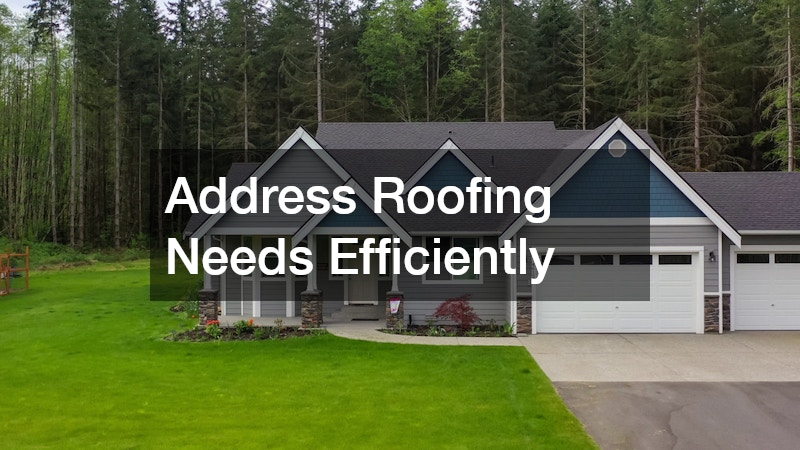
The roof protects the home from weather damage and significantly influences curb appeal. Coordinating roofing projects with other exterior renovations ensures structural safety and aesthetic consistency, while minimizing interference with other contractors.
- Conduct a roof inspection: Identify leaks, worn shingles, or other damage that could compromise the home if left unaddressed. Document areas needing repair or replacement.
- Schedule repairs before painting or window upgrades: Completing roofing work first prevents debris or accidental damage to newly installed surfaces, such as windows or exterior paint.
- Hire experienced roofers: Professional evaluation and repair ensure adherence to local building codes and long-term durability. Choose contractors with strong references and experience in residential projects.
- Coordinate material choices: Align roof colors and materials with exterior paint, windows, and fences to maintain a cohesive visual appeal.
- Routine maintenance: Clean gutters, inspect flashing, and repair minor issues early to prevent costly damage later.
Proper sequencing of roofing repairs reduces disruptions, protects other renovations, and ensures that the home remains structurally sound and visually appealing throughout the project timeline.
Plan Exterior Painting and Color Coordination
Exterior painting refreshes the home’s look and unifies multiple renovation projects, but proper timing and planning are critical. Painting too early or too late can result in damage or a mismatched design.
- Determine surfaces to paint: Include siding, trim, fences, and doors for a comprehensive refresh.
- Select complementary colors: Harmonize paint choices with roofing, windows, fences, and landscaping to create a cohesive exterior.
- Hire professional exterior painting companies: Experienced painters ensure proper preparation, high-quality coverage, and long-lasting results.
- Schedule painting after structural projects: Complete roofing, fencing, and window installation before painting to prevent overspray or damage.
- Protect surrounding areas: Cover driveways, plants, and outdoor fixtures to avoid accidental staining.
Strategically planning exterior painting maximizes curb appeal and ensures that all renovations work together seamlessly. Thoughtful color coordination enhances visual harmony and creates a polished, inviting exterior.
Coordinate Local Contractors Across Projects
Coordinating multiple exterior projects requires careful communication and scheduling between different contractors to avoid conflicts and delays. Each project—whether roofing, fencing, paving, painting, or window installation—may involve different trades with specific equipment, material deliveries, and site requirements. Without proper coordination, one contractor’s work can interfere with another’s, causing damage or slowing progress.
- Identify the right contractors: Engage local contractors with expertise in each area of renovation, from roofing to landscaping, fences, and painting. Vet experience, reviews, and licensing.
- Verify credentials: Ensure contractors are licensed, insured, and compliant with local building codes to reduce liability and guarantee quality work.
- Create a master schedule: Outline start and completion dates for each project, ensuring no overlaps or bottlenecks. Include buffer time for unforeseen issues.
- Communicate clearly: Maintain regular updates, weekly check-ins, and a shared project plan to address progress and any adjustments.
- Document agreements: Keep written contracts specifying scope, timelines, and payment milestones, which helps prevent misunderstandings and ensures accountability.
Coordinating contractors proactively reduces stress, ensures smooth workflow, and improves the overall quality and efficiency of renovations. This approach also allows homeowners to monitor progress and make informed decisions during the project.
Upgrade Windows and Doors Simultaneously
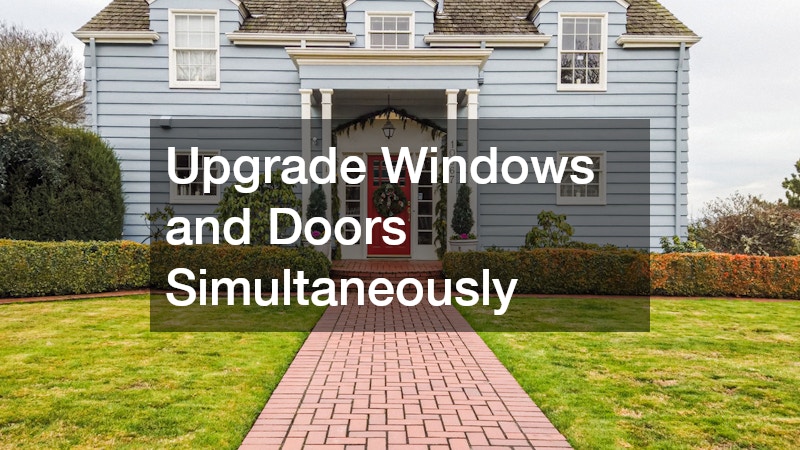
Replacing windows and doors improves energy efficiency, security, and aesthetics, but doing so alongside other renovations requires careful planning. Coordinating these upgrades with fencing, roofing, and painting ensures proper access, prevents damage, and results in a more cohesive appearance.
- Inspect existing windows and doors: Identify cracks, leaks, worn frames, or outdated models needing replacement. This helps prioritize which units to upgrade first.
- Plan for window glass replacement and screen door replacement: Timing these installations with roofing and painting projects avoids repeated handling of materials and ensures proper fit.
- Hire experienced professionals: Accurate measurements, proper installation, and sealing prevent drafts, leaks, and long-term damage, ensuring safety and comfort.
- Choose energy-efficient options: Modern windows and doors reduce energy costs, improve insulation, and enhance overall home value.
- Coordinate design elements: Match frame styles and colors to roofing, exterior paint, and fences to maintain visual consistency across the property.
Simultaneous installation saves time, reduces labor costs, and ensures that your home’s exterior remains functional, safe, and attractive during multiple renovations.
Enhance Security and Comfort With Roller Shutters
Roller shutters provide privacy, security, and improved energy efficiency. Incorporating them into your renovation plan requires coordination with windows and exterior paint to maintain aesthetics and functionality.
- Determine strategic placement: Identify windows or doors where roller shutters improve safety, shading, or temperature control. Prioritize high-traffic areas and rooms exposed to sunlight.
- Coordinate installation: Install shutters after windows are replaced but before painting or siding updates to prevent overspray and damage.
- Professional installation: Ensure shutters are mounted correctly for smooth operation, long-term durability, and weather resistance.
- Style and color: Choose designs and colors that complement window frames, siding, and paint for cohesive curb appeal.
- Ongoing maintenance: Clean and lubricate shutter mechanisms regularly to prevent malfunctions and extend lifespan.
Well-planned shutter installation enhances home security, comfort, and aesthetic appeal while integrating seamlessly with other exterior upgrades.
Manage Project Timelines and Budget
Balancing multiple exterior renovations requires precise planning, scheduling, and budgeting to avoid overspending, conflicts, or delays. A clear roadmap ensures projects are completed efficiently and within financial limits.
- Break projects into phases: Start with safety and structural priorities like roofing, paving, and fences, followed by aesthetic improvements such as painting and shutters.
- Allocate contingency funds: Budget 10–20% for unexpected repairs, material delays, or weather-related setbacks. This prevents financial strain mid-project.
- Track progress and payments: Maintain detailed records of contractor invoices, milestones, and material costs to monitor spending and avoid surprises.
- Coordinate logistics: Schedule deliveries, subcontractors, and inspections to minimize idle time and maximize efficiency.
- Adjust plans as necessary: Maintain flexibility for unforeseen challenges while keeping overall goals and timelines in focus.
Effective timeline and budget management reduces stress, ensures high-quality work, and helps homeowners stay in control of multiple renovation projects simultaneously.
Maximize Long-Term Benefits
Coordinating multiple exterior renovations not only improves curb appeal but also preserves long-term home value, functionality, and durability.
- Prevent damage: Sequencing work carefully reduces accidental harm to newly installed elements such as fences, windows, or driveways.
- Enhance aesthetics: A coordinated design approach integrates roofing, fencing, paving, windows, and shutters into a visually harmonious exterior.
- Boost property value: Well-executed renovations make the home more attractive to potential buyers and can significantly increase resale value.
- Minimize maintenance issues: Proper planning ensures that improvements are durable, low-maintenance, and designed to withstand environmental stressors.
- Improve comfort and security: Upgrades like roller shutters, secure fencing, and new windows enhance daily living while protecting family and property.
Strategic planning ensures each exterior improvement contributes to long-term value, aesthetics, and functionality, turning individual projects into a unified, high-impact transformation.
Coordinating multiple exterior renovation projects requires foresight, organization, and active project management. By carefully assessing the property, sequencing work logically, and engaging qualified professionals—including roofers, fencing experts, paving contractors, painters, window installers, and local tree services—homeowners can achieve a polished, cohesive, and durable exterior.
Strategic planning and ongoing communication prevent delays, reduce costs, and ensure high-quality results. Prioritizing structural and safety improvements first, followed by aesthetic upgrades, ensures that each project complements the others and protects investments. A well-coordinated approach transforms separate renovations into a unified exterior that is visually appealing, functional, and long-lasting.
Ultimately, a home that has been renovated thoughtfully benefits from enhanced curb appeal, increased property value, and long-term durability. With careful oversight, professional expertise, and detailed planning, homeowners can enjoy a safe, inviting, and resilient home exterior that delivers both immediate satisfaction and lasting benefits.