True home comfort is far more than an aesthetic arrangement of plush throw pillows, soft textiles, and warm ambient lighting. While interior decor creates immediate visual warmth, genuine year-round comfort depends entirely on the hidden infrastructure powering your home—the mechanical reliability of your heating systems, the purity of your water supply, the weather tightness of your exterior building envelope, and the security of your outdoor boundaries. When winter winds howl or summer heat waves strike, a home’s true sanctuary status is tested by its ability to maintain stable interior temperatures, consistent hot water, and a peaceful outdoor environment.
Transforming a residential property into a cozy, high-performing sanctuary requires looking at the home as an interconnected ecosystem. Upgrading your interior utility systems while simultaneously fortifying your exterior building envelope ensures that warmth stays inside during cold months while harsh weather remains firmly outdoors. By systematically addressing heating performance, private water systems, structural weatherproofing, perimeter security, and outdoor leisure zones, you create a living space that delivers exceptional physical comfort, lower energy bills, and total peace of mind in every season.
Understanding the direct connection between your home’s mechanical core and its outer protective shell is essential for any homeowner seeking long-term comfort. When a boiler operates at peak efficiency but the roof deck leaks air, or when high-end plumbing fixtures are fed by mineral-heavy well water, the entire residential ecosystem suffers. Modernizing these essential trade systems simultaneously eliminates performance bottlenecks, protects your property against unexpected structural damage, and establishes a stable baseline of quiet, reliable, day-to-day luxury.
To build a property that truly protects and nurtures your family through every seasonal shift, comfort must be engineered into every layer of the home. This comprehensive guide details the key structural, mechanical, and landscape upgrades necessary to optimize your interior living spaces and fortify your exterior grounds, ensuring your property functions as a warm, energy-efficient, and secure refuge for years to come.
Mastering Interior Warmth and Hydronic Heating Performance

When the temperature drops, nothing rivals the gentle, radiant warmth of a well-maintained hydronic heating system. Unlike forced-air furnaces that circulate dry air, dust, and allergen particles throughout living areas, hydronic systems transfer heat directly through baseboards, cast-iron radiators, or underfloor tubing. This produces an even, dust-free indoor climate that keeps floors warm underfoot and prevents the drastic temperature fluctuations common in older properties.
To optimize your hydronic heating performance and ensure uninterrupted winter warmth, implement these actionable maintenance and upgrade strategies:
-
Perform Annual System Bleeding and Flushing: Trapped air inside hydronic heating loops prevents hot water from circulating effectively, causing cold spots on radiators and forcing your unit to work harder. Bleeding radiator valves annually releases trapped pockets of air, while periodic chemical flushes remove mineral sludge and rust scale that impede heat transfer.
-
Install Multi-Zone Thermostatic Controls: Living patterns vary across different rooms throughout the day. Installing programmable or smart zone thermostats allows you to maintain higher temperatures in active family spaces like kitchens and living rooms while keeping bedrooms cooler at night, significantly cutting heating fuel consumption without sacrificing personal comfort.
-
Insulate Basement Supply Piping: Uninsulated copper or PEX supply lines traveling through unheated basements, crawlspaces, or utility rooms lose substantial heat energy before reaching living quarters above. Encasing exposed hot water pipes in closed-cell foam insulation sleeve sleeves preserves water temperature and reduces recovery time.
-
Schedule Professional Heating Tune-Ups: Partnering with licensed trade experts specializing in boiler services guarantees that burner assemblies, heat exchangers, circulating pumps, and safety pressure relief valves operate at peak combustion efficiency before freezing weather arrives.
-
Upgrade Domestic Hot Water Deliveries: Experiencing fluctuating shower temperatures during cold mornings ruins household routines. Working alongside certified plumbers allows you to integrate thermostatic mixing valves, high-output tankless water heaters, or indirect water storage tanks that deliver instant, endless hot water to every bathroom tap.
Investing in your interior hydronic and domestic hot water systems guarantees that your home remains a warm, inviting shelter no matter how severe the winter weather becomes outside.
Securing Pure Household Water and Uninterrupted Pressure
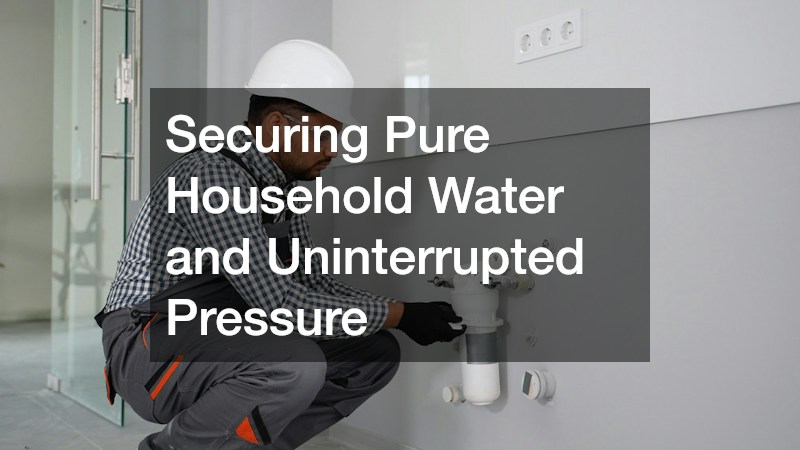
A cozy home relies fundamentally on a reliable, pure, and pressurized water supply. From soothing hot baths after a long day to preparing family meals, water quality impacts nearly every aspect of daily household comfort. For properties dependent on private groundwater wells, maintaining crystal-clear water and stable system pressure requires proactive maintenance of subterranean pumps, pressure tanks, and filtration equipment.
Implement these key strategies to preserve your private water infrastructure and protect household comfort:
-
Conduct Comprehensive Annual Water Testing: Groundwater chemistry changes seasonally due to agricultural runoff, surface rainwater infiltration, or shifting mineral deposits. Test private well water every spring for microbial bacteria, nitrates, mineral hardness, and total dissolved solids to determine if specialized water filtration or softening systems are required.
-
Monitor Pressure Tank Bladders: Frequent pump cycling—known as short-cycling—is a primary cause of erratic shower pressure and premature pump motor failure. Inspect your mechanical pressure tank regularly to ensure the internal rubber bladder holds correct air pressure and has not become waterlogged.
-
Freeze-Proof Exposed Wellhead Mechanicals: Sub-zero winter temperatures can freeze above-ground wellheads, pressure switches, and filter housings, completely cutting off water to the home and causing pipes to burst. Install thermal heat tape, insulated well houses, or underground pitless adapters to safeguard critical components.
-
Maintain Deep-Well Submersible Infrastructure: Tapping into specialized water well services ensures that subterranean pump impellers, electrical control boxes, and deep-well check valves are tested for electrical draw and physical wear before catastrophic mechanical failures occur.
-
Coordinate Multi-Trade Mechanical Renovations: When expanding bathrooms, adding soaking tubs, or renovating kitchens, consulting a knowledgeable local residential contractor ensures that mechanical rooms are designed with adequate spatial layout, proper drainage, and electrical capacity for new water treatment appliances.
Protecting your water source ensures that your household enjoys clean, soft, abundant water for cooking, cleaning, and relaxation throughout the entire year.
Weatherproofing the Exterior Envelope Against Seasonal Drafts
A high-performance heating system is only as effective as the building envelope that contains it. Cracks around doors, uninsulated roof decks, and worn weatherstripping allow costly interior heat to escape while inviting cold winter drafts, moisture leaks, and wind noise inside. Sealing your roof and garage access points creates an airtight thermal blanket that keeps your home warm in winter, cool in summer, and quiet year-round.
Focus on these essential exterior weatherproofing techniques to insulate your home against the elements:
-
Upgrade to Energy-Efficient Roof Systems: Traditional asphalt shingle roofs can absorb moisture, lose protective granules, and leak during ice damming events. Contracting experienced metal roofing companies to install insulated standing-seam steel or aluminum roofs provides superior weather sealing, reflects summer solar heat, and creates a durable barrier that sheds winter snow effortlessly.
-
Seal Large Vehicle Access Openings: Garages often represent the largest single thermal opening in a residential structure. Uninsulated garage doors allow arctic air to infiltrate attached wall framing, chilling adjacent living rooms and bedrooms overhead.
-
Upgrade Weather Seals and Insulated Panels: Partnering with professional overhead door companies allows you to replace flimsy single-layer doors with multi-layer polyurethane-insulated doors featuring heavy-duty perimeter vinyl weatherstripping and bottom astragal seals that block cold drafts completely.
-
Inspect Roof Flashings and Ice Shield Underlayments: Ensure that high-risk roof areas—such as valleys, sidewalls, skylights, and chimney bases—are lined with self-adhering ice and water membrane shields. This prevents meltwater backed up by gutter ice dams from seeping beneath roofing materials into ceiling drywall.
Draught-proofing your home’s exterior envelope stabilizes interior temperatures, eliminates uncomfortable cold spots, and substantially reduces monthly utility expenses across all four seasons.
Establishing Perimeter Privacy, Windbreaks, and Home Security
Physical comfort requires mental peace of mind. Creating a cozy outdoor sanctuary involves defining your property boundaries, shielding outdoor seating areas from harsh seasonal winds, and installing reliable security barriers that keep your family safe. Well-designed perimeter fencing serves a dual purpose: it creates a private acoustic barrier against street noise while establishing a microclimate that makes outdoor patios comfortable early in spring and late into autumn.
Consider these tactical ideas for building protective, private outdoor boundaries:
-
Block Prevailing Winter Winds: Cold winter winds sweeping across open yards rapidly pull heat away from patios, decks, and exterior home walls. Installing solid wood, composite, or vinyl privacy fencing along prevailing wind directions acts as a physical baffle, creating warm, sheltered pockets around outdoor living spaces.
-
Set Posts Below Local Frost Lines: Seasonal freezing and thawing cause moisture in soil to expand, driving fence posts upward and throwing gates out of alignment. Always ensure fence footings are dug deeper than your local frost depth line and set in solid concrete to guarantee long-term alignment.
-
Invest in Custom Perimeter Fencing: Commissioning expert fence installations ensures that boundary structures follow property topography smoothly, incorporate wind-relief gaps where necessary, and utilize heavy-duty corrosion-resistant hardware that survives harsh weather.
-
Integrate Automated Access Control: Installing a custom security fence equipped with automated driveway gates, integrated keypads, and video intercom systems establishes a secure outer perimeter, giving your family complete control over access to your property.
Establishing secure, wind-protected perimeter boundaries converts an exposed yard into a private, quiet haven where you can relax in total safety and seclusion.
Designing Heated Outdoor Leisure and Resort-Style Relaxation Zones

Transforming your property into a true year-round sanctuary means expanding your living space into the outdoors. With the right design elements, backyards can remain functional and comforting long after summer ends. Combining heated water features with strategic evergreen shelterbelts creates an outdoor resort environment where family and guests can enjoy crisp autumn evenings or chilly winter days in warmth and luxury.
Implement these actionable design upgrades to build an outdoor relaxation oasis:
-
Incorporate Heated Pool and Spa Features: Extending the usability of outdoor water features into late autumn or winter requires high-efficiency heating systems. Working alongside specialized pool contractors allows you to integrate gas pool heaters, electric heat pumps, or integrated hydrotherapy spas with automatic thermal covers that lock in water heat overnight.
-
Plant Dense Evergreen Windbreak Gardens: Nature provides some of the best wind protection available. Partnering with professional landscaping companies allows you to design multi-layered shelterbelts using dense evergreens—such as Norway spruce, arborvitae, and Austrian pine—that block winter gales, absorb ambient noise, and provide lush green scenery year-round.
-
Add Focal Fire Features and Radiant Heating: Position outdoor fire pits, masonry fireplaces, or overhead infrared patio heaters near seating areas to provide direct radiant warmth, making outdoor dining and gatherings cozy even when temperatures dip toward freezing.
-
Layer Outdoor Lighting for Evening Ambiance: Warm 2700K LED accent lighting hidden beneath stone caps, along pathway borders, and within plant canopies creates a soft, welcoming glow that transforms dark winter backyards into visually stunning, safe outdoor living zones.
Designing a resort-style outdoor space encourages your family to step outside, connect with nature, and enjoy luxurious relaxation right at home throughout the entire year.
Coordinating Structural Upgrades for Long-Term Value

Achieving maximum comfort and efficiency requires managing how your mechanical and exterior upgrades come together during execution. A primary cause of delays and budget overruns during home modernization is a lack of trade sequencing. For example, completing hardscaping or landscaping work before underground well lines or gas pipes are installed forces contractors to dig up fresh work, wasting both time and money.
To ensure your home transformation proceeds smoothly and delivers lasting comfort, keep these project management principles in mind:
-
Sequence Trades in Logical Order: Schedule subterranean work—such as well line extensions, pool plumbing, and underground electrical conduit—first. Follow with building envelope upgrades like roofing and doors, and finish with surface landscaping and perimeter fencing.
-
Document Hidden Mechanical Locations: Keep detailed photos and site maps of buried utility lines, wellheads, and junction boxes. Knowing exactly where pipes and wires run prevents accidental cuts during future fencing or garden projects.
-
Focus on Quality Material Specs: Choose heavy-duty, weather-resistant materials for all exterior installations. Investing in commercial-grade valves, insulated panels, and powder-coated steel hardware minimizes future maintenance and protects your home’s equity.
Proper project planning ensures every trade system works together seamlessly, turning your vision of a high-performing, comfortable home into a stress-free reality.
Creating a cozy, year-round home sanctuary requires far more than surface-level interior decoration; it relies on a well-engineered foundation of high-performing utility and exterior systems. By optimizing interior hydronic heating, safeguarding private water sources, fortifying exterior roof and door seals, establishing secure perimeter boundaries, and designing heated outdoor relaxation zones, you elevate every dimension of daily household comfort.
A truly modern property functions as a unified protective ecosystem—keeping warmth trapped inside during winter storms, providing clean pressurized water on demand, blocking harsh winds, and offering private, secure outdoor spaces for rest and recreation. Investing in these essential infrastructure upgrades protects your long-term property equity, slashes ongoing energy consumption, and provides your family with an enduring, luxurious haven of comfort and peace through every season of the year.