
The modern home is no longer just a place to sleep and store belongings; it has evolved into a personal sanctuary where physical restoration, emotional calm, and daily convenience converge. Creating a living space that offers true peace of mind involves far more than simply arranging aesthetic decor. It requires thoughtful investments in the core structural and functional elements that shape how a space feels, operates, and restores energy. When interior environments are optimized for physical support, thermal consistency, and visual harmony, daily routines transition from stressful chores into seamless, satisfying experiences. Tailoring every room to meet your specific physical needs ensures that coming home feels like an intentional reward at the end of every busy day. Furthermore, focusing on meaningful internal upgrades guarantees that your home continues to nurture your well-being through every season of life.
Investing in internal enhancements yields immediate returns in personal well-being. A home that supports physical health, simplifies organizational flow, and maintains consistent warmth and hot water fosters a grounding environment where residents can unwind completely. Upgrading primary living zones with high-performance finishes, tactile textiles, and efficient utilities establishes a resilient foundation for long-term comfort. By prioritizing functional quality over fleeting aesthetic trends, any living space can become an inviting, supportive refuge.
Transformative Culinary Spaces

The kitchen serves as the energetic center of the household, where meals are prepared, conversations take place, and daily routines intersect. Upgrading this vital area with durable surfaces, intentional storage solutions, and refined craftsmanship elevates both daily meal preparation and evening entertainment.
Optimizing Kitchen Storage and Built-Ins
Upgrading storage systems eliminates clutter on countertops and streamlines meal preparation, directly reducing daily visual noise. Replacing outdated unit frames with custom or semi-custom units allows for complete vertical integration, maximizing vertical room height and hidden square footage.
- Select full-extension drawer slides to easily access cookware stored in deep back corners.
- Integrate pull-out pantry shelves and specialized utensil dividers to maintain an organized culinary environment.
- Incorporate soft-close hinges on every door panel to eliminate harsh slamming noises and preserve internal frame structures.
Investing in quality joinery ensures that everyday cooking supplies stay neatly concealed behind solid wood fronts. Custom interior storage prevents clutter from spilling onto preparation surfaces, instantly transforming cooking from a chaotic chore into an enjoyable activity.
Choosing Resilient and Thermal-Resistant Surfaces
Preparation surfaces endure continuous friction, hot cookware, and liquid spills, making surface material choice essential for low-maintenance living. Quartz, quartzite, and dense natural stone varieties provide unmatched structural resilience while serving as stunning visual anchors in open-concept floor plans.
- Opt for non-porous engineered quartz if low maintenance and stain resistance are primary everyday goals.
- Seal natural stone surfaces annually to preserve moisture resistance and prevent etching from acidic food ingredients.
- Select matte or honed surface finishes to diffuse bright light reflections and minimize visible handprints.
Installing heavy-duty natural stone through a professional granite countertop service ensures precision measuring, seamless edge joining, and secure weight distribution. Solid stone surfaces provide a cool, stable working area for dough preparation and heavy cooking tasks, elevating both function and aesthetic appeal.
Upgrading Worktops for Longevity
Upgrading worn worktops with premium stone instantly elevates the overall ambiance of the cooking area, making the space feel clean and luxurious. Heavy-duty surfaces withstand daily heat and impact without showing wear, ensuring that the investment retains value for years.
- Pair dark stone slabs with lighter under-cabinet finishes to create a striking, balanced visual contrast.
- Ensure underlying framing is properly leveled and reinforced before mounting heavy natural stone slabs.
- Choose rounded or bevel-edged profiles to protect high-traffic corners against accidental chips and sharp impacts.
Pairing solid stone work surfaces with upgraded cabinetry creates an organized, durable center that comfortably handles busy mornings and large weekend gatherings alike.
Rejuvenating Bathroom Sanctuaries

Bathrooms should function as private retreats designed for quiet self-care rather than merely utilitarian wash spaces. Thoughtfully designed plumbing systems, moisture-resistant storage, and luxury fixtures help turn basic personal hygiene routines into soothing, spa-like rituals.
Hiring Experts for Wet-Area Transformations
Major bathroom overhauls involve complex plumbing realignments, waterproofing barriers, and precise tile alignment that demand professional expertise. Entrusting these technical tasks to a licensed bathroom remodeling contractor guarantees structural safety, proper drainage slopes, and long-lasting defense against mold or structural water leaks.
- Consult with design professionals early to establish realistic project timelines and material delivery schedules.
- Verify proper waterproofing protocols behind custom tile showers, including continuous pan liners and sealed backer boards.
- Plan multi-layered lighting schemes that incorporate dedicated dimmers to transition from bright morning routines to calm evening baths.
Expert oversight ensures seamless shower installations, flush floor transitions, and flawless tile patterns, converting an outdated washroom into a serene home spa.
Modernizing Hot Water Systems
Few disruptions ruin home comfort faster than running out of hot water during a cold morning shower or waiting indefinitely for taps to warm up. Upgrading to a high-efficiency tankless or hybrid heat-pump water heater ensures an endless supply of warm water while reducing monthly energy consumption.
- Evaluate household peak water demand to properly size output capacity before settling on a specific unit style.
- Schedule a professional water heater install to verify that gas line venting or electrical panel capacities meet safety standards.
- Flush internal heating elements annually to eliminate sediment buildup and extend mechanical equipment lifespans.
Modern, highly rated heating units operate quietly in the background, providing instant, reliable warm water for multiple simultaneous appliances throughout the home.
Restorative Sleep Environments
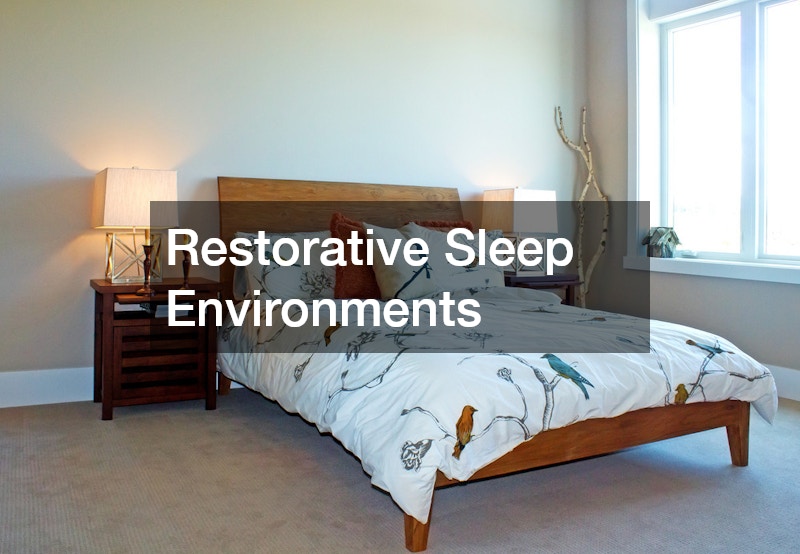
Quality sleep is the fundamental building block of physical health, cognitive sharpness, and daily emotional balance. Designing a restful bedroom environment requires careful attention to ergonomic support, temperature regulation, and soothing visual textures.
Selecting Ergonomic Sleep Surfaces
A worn or unsupportive bed frame directly contributes to spinal misalignment, morning stiffness, and interrupted rest patterns. Visiting a reputable local mattress shop allows sleepers to test different density levels, hybrid pocket-coil structures, and contouring memory foam options tailored to their preferred sleeping positions.
- Test various density levels for at least fifteen minutes in your natural sleeping position to assess true pressure relief.
- Choose hybrid configurations combining pocket coils and latex foam for optimal motion isolation and thermal breathability.
- Confirm comprehensive warranty terms and multi-night home trial periods before finalizing high-end bedding purchases.
Investing in a supportive sleep foundation ensures proper spinal alignment and minimizes motion transfer from sleeping partners, fostering uninterrupted nightly recovery.
Incorporating Temperature-Regulating Textiles
Nighttime temperature fluctuations often lead to restless tossing and turning, breaking deep sleep cycles. Outfitting your bed with specialized antibacterial cooling sheets regulates body heat, absorbs excess surface moisture, and maintains a clean, soothing sleep environment.
- Select natural bamboo or eucalyptus lyocell fabrics for superior breathability and silky, low-friction skin contact.
- Verify moisture-wicking weave patterns to ensure maximum airflow throughout changing seasonal weather patterns.
- Wash performance bedding in cool water without harsh fabric softeners to maintain fiber-level cooling properties.
Advanced textiles reduce skin friction, prevent overheating during warm summer nights, and maintain fresh hygiene levels between standard laundry cycles.
Choosing Supportive Sleep Furniture
The physical frame supporting your mattress plays a critical role in preventing sag, reducing frame squeaks, and keeping the sleep environment organized. Selecting high-quality, solid-wood bedroom furniture establishes a sturdy, whisper-quiet base that enhances the restful atmosphere of the room.
- Select solid hardwood joinery over composite pressboard to avoid structural frame creaks and lateral swaying.
- Utilize integrated under-bed storage drawers to keep seasonal blankets, extra pillows, and linens neatly tucked away.
- Position nightstands at equal height to the top of the mattress for effortless access to reading lights and water glasses.
Sturdy, beautifully finished furniture anchors the room aesthetically, providing functional storage that keeps personal sleeping quarters organized and clutter-free.
Revitalizing Indoor Air Quality and Finishes

Visual warmth and tactile comfort depend heavily on clean air, fresh wall colors, and soft flooring underfoot. Over time, worn carpet fibers and faded paint subtly degrade indoor environmental quality, making deep surface maintenance essential for a fresh interior atmosphere.
Restoring Carpets and Soft Flooring
Wall-to-wall carpeting and area rugs trap airborne dust, pet dander, micro-particles, and persistent odors that standard vacuuming cannot fully extract. Hiring a professional carpet cleaning service restores deep fiber elasticity, lifts embedded allergens, and revives faded color tones.
- Schedule professional hot-water extraction treatments every twelve months to maintain carpet fiber bounce and pile integrity.
- Address localized spills immediately using gentle blot-drying techniques rather than aggressive scrubbing to prevent fiber fraying.
- Request eco-friendly, non-toxic cleaning agents to protect indoor air quality and keep floors safe for children and pets.
Deep-cleaning carpets removes microscopic pollutants, softens texture underfoot, and leaves living rooms feeling refreshed and healthier for everyday family activity.
Refreshing Interiors with Professional Paint
Wall color sets the psychological mood of every room, quietly influencing spatial perception, natural light diffusion, and emotional comfort. Engaging licensed painting companies eliminates the messy labor of wall preparation, drywall patching, and crisp trim edging, yielding flawless, velvet-smooth surfaces.
- Select low-VOC or zero-VOC paint formulations to prevent off-gassing odors and safeguard indoor air health.
- Choose warm neutral hues, soft sage greens, or muted blues to cultivate a soothing, timeless living space.
- Utilize washable satin or eggshell paint sheens in high-traffic hallways to enable easy spot cleaning without sheen damage.
Expertly applied paint conceals minor structural flaws, brightens dark corners, and seamlessly unifies disparate architectural elements across neighboring rooms.
Designing Harmonious Living Spaces
Creating an inviting, comfortable home goes beyond isolated upgrades; it requires harmonizing lighting, acoustics, and thermal control into a cohesive living experience. When functional improvements seamlessly blend, the entire home transforms into an effortless sanctuary.
Strategic Interior Color Selections
Color selection acts as a unifying thread connecting adjacent living zones, visually guiding sightlines and enhancing room dimensions. Applying warm, light-reflecting shades in communal areas amplifies incoming daylight, making spaces feel expansive, bright, and inviting.
- Use matte finishes on ceilings to absorb ambient light glare and conceal subtle drywall tape seams.
- Paint architectural moldings and interior door frames a shade lighter or darker than walls for subtle structural depth.
- Test large wall color swatches under both daylight and evening lamp lighting before committing to full paint purchases.
A well-balanced palette lowers visual strain and seamlessly bridges traditional architectural features with contemporary furnishings.
Layering Ambient and Task Lighting
Relying on a single overhead light fixture often creates harsh shadows and stark contrast, making living areas feel cold and uninviting. Layering soft ambient fixtures, focused task lights, and subtle accent illumination creates an adaptable, warm atmosphere tailored to any time of day.
- Install dimmable warm-toned LED bulbs across all main living areas to adjust room brightness as daylight fades.
- Position task-focused desk lamps and reading lights near reading chairs to prevent eye strain during evening hours.
- Add concealed LED strip lighting beneath upper kitchen cabinets and bath vanities to provide soft, glare-free night lighting.
Thoughtfully layered illumination highlights fine interior materials, soft textiles, and custom woodworking, transforming flat rooms into cozy, dynamic spaces.
Integrating Acoustic Softening Elements
Hard floor surfaces, high ceilings, and unadorned walls can generate unpleasant sound echoes, making simple conversations sound harsh and disruptive. Integrating soft textiles, thick rug pads, and upholstered seating dampens reverberation and creates a noticeably quieter home.
- Place dense felt rug pads beneath large living room area rugs to absorb ambient footstep impacts and echo.
- Hang thick linen or velvet drapery over large glass windows to reduce exterior street noise and retain room warmth.
- Style open shelving with books, fabric storage bins, and framed art to scatter sound waves and quiet open rooms.
Acoustic dampening creates a calm, quiet atmosphere where family members can talk, read, or rest without ambient noise distractions.
True home comfort is built on a foundation of reliability, wellness, and quiet performance. By focusing on high-impact interior zones—from culinary centers and spa-like bathrooms to restorative bedrooms—you create a living environment that supports physical recovery and simplifies daily living. Strategic upgrades in durable surfaces, efficient mechanical systems, and soft interior finishes pay daily dividends in physical health, emotional ease, and overall peace of mind. Investing in these core interior elements turns an ordinary living space into an enduring, deeply comforting home. Taking thoughtful steps to elevate your environment ultimately turns your house into a true haven of tranquility. By taking time to continuously assess and refine your interior spaces, you ensure your sanctuary adapts smoothly to your evolving needs.