The modern backyard has undergone a remarkable evolution. No longer treated as merely a patch of lawn that requires weekend mowing, outdoor property spaces are now viewed as direct extensions of the home’s interior floor plan. Homeowners increasingly seek to transform underutilized yards into luxurious, multi-season outdoor living rooms, gourmet cooking spaces, and vibrant entertainment hubs. Whether host to intimate family dinners or large weekend gatherings, a well-designed outdoor environment significantly enriches daily life and expands usable living area without the immense financial burden of traditional interior home room additions.
Unlocking the full potential of an outdoor entertaining area requires addressing common site challenges that hinder usability. Uneven terrain, decaying tree stumps, overgrown tree canopies, deteriorating masonry, and poorly defined living spaces can prevent family members and guests from fully enjoying the outdoors. By taking a systematic approach—clearing structural and physical hazards, restoring existing hearth features, and layering modern comfort amenities—you can turn any yard into an inviting, resort-style retreat. The result is an elegant, functional sanctuary that accommodates endless social gatherings while enhancing your property’s long-term market value.
Restoring Outdoor Hearth Features and Elevating Fire Amenities

An outdoor fireplace or fire pit naturally serves as the focal point of any backyard entertainment zone. Gathering around an open flame creates an inviting atmosphere during cool autumn evenings, drawing guests outside and extending the usability of your outdoor space across all four seasons. However, fire features require careful structural evaluation to ensure they operate safely and efficiently.
Inspecting Exterior Fireplace Masonry and Flues
Outdoor brick and stone fireplaces endure constant exposure to harsh rain, freezing temperatures, and intense summer heat. Over time, thermal expansion and water infiltration cause mortar joints to crumble, bricks to spall, and flue tiles to crack. Operating a damaged outdoor fireplace introduces serious safety risks, including embers escaping through structural cracks onto nearby wooden decks or dry landscape beds.
Addressing structural mortar decay promptly preserves the masonry’s integrity and prevents moisture from seeping deeper into the structure. Partnering with a skilled mason who specializes in professional chimney repair ensures that cracked flues are relined, damaged firebrick is replaced, and protective caps are installed to keep rainwater, birds, and leaves out of the flue.
Creating Comfortable Hearth Seating Layouts
Once the structural safety of your outdoor fire feature is assured, design an inviting seating arrangement around it to foster conversation.
-
Arranging Modular Seating: Position deep-seated, weather-resistant sectional sofas in a semi-circle around the hearth to encourage easy, comfortable interaction among guests.
-
Incorporating All-Weather Materials: Choose furniture constructed from solution-dyed acrylic fabrics, powder-coated aluminum, or synthetic wicker to withstand heavy UV exposure and sudden rainfall.
-
Adding Ambient Lighting: Install low-voltage accent lights or warm LED string lights along nearby walls and pathways to ensure safe movement after dark.
Clearing Subterranean Root Obstructions and Ground Space

A smooth, level ground surface is essential for building safe, functional outdoor entertainment zones. Uneven lawns, exposed root networks, and decaying wood hazards present constant tripping risks for guests, while making it nearly impossible to set up stable patio tables, dining chairs, or outdoor kitchen foundations.
Eliminating Below-Ground Wood Hazards
When trees are cut down, the remaining below-ground wood structure presents a persistent challenge. Over time, buried roots decompose, creating subsurface voids that cause surrounding soil to sink and cave in. This settling ruins lawn uniformity and can crack newly laid paver patios or concrete slabs constructed over the site.
Utilizing specialized heavy equipment for precise stump grinding grinds the buried wood down several inches below the surface grade. This mechanical process converts hard wood into fine woodchips that can be repurposed as organic garden mulch, while clearing the way for soil leveling and lawn re-seeding.
Clearing Subsurface Roots for New Construction
When planning permanent hardscape structures like flagstone patios, outdoor kitchens, or built-in fire pits, partial surface grinding is rarely sufficient. Subsurface root systems must be extracted entirely to prevent future sprout growth and soil movement.
-
Executing Complete Extraction: Contracting specialists for complete tree stump removal clears deep root balls and subterranean networks, providing a stable, unyielding foundation for patio footings.
-
Regrading Surrounding Turf: Fill empty holes with topsoil, tamp the earth down firmly, and grade the lawn to ensure proper surface water runoff away from living areas.
-
Preventing Pest Infestations: Removing decaying wood underground eliminates nesting habitats for wood-boring insects, carpenter ants, and termites near your home.
Eliminating Overhead Hazards and Managing Overgrown Canopies
While mature trees offer welcome shade, privacy, and architectural interest, overgrown or decaying timber overhead poses significant risks to outdoor living zones. Falling branches during sudden windstorms can damage expensive patio furniture, tear through pergolas, or endanger family and guests.
Identifying and Removing Dangerous Timber
Large, dying trees situated near outdoor dining or lounging zones represent severe structural hazards. Rotting trunks, hollow cores, and heavy dead limbs can collapse without warning under the weight of summer storms or ice build-up.
When dealing with large, precarious trees located near homes, outdoor kitchens, or swimming pools, hiring certified tree removal services is essential. Professional crews utilize rigging systems, cranes, and specialized bucket trucks to dismantle hazardous trees section by section, protecting surrounding structures and landscape features below.
Selecting Accredited Clearing Specialists
Complex tree felling near high-value outdoor living amenities requires advanced technical skill and specialized equipment.
Partnering with an established, fully insured tree removal company guarantees that site clearing is executed according to strict industry safety standards. These professionals evaluate weight distribution, branch lean, and proximity to utility lines before initiating cuts, ensuring that nearby structures remain completely undamaged during the removal process.
Shaping Canopy Lines and Enhancing Foliage Health
Not every tree near an outdoor living area needs to be cut down. In fact, healthy specimen trees are invaluable assets that provide natural shade, frame scenic backyard views, and anchor the overall aesthetic of your landscape. Strategic pruning and canopy care allow you to balance tree preservation with outdoor entertainment goals.
Shaping Canopies for Sunlight and Sightlines
Low-hanging branches often block natural sunlight, stifle air circulation across patios, and restrict movement around outdoor dining tables. Thinning out dense canopies allows pleasant summer breezes to sweep through seating areas while letting dappled sunlight warm your outdoor space.
Hiring an experienced tree pruning company ensures that branches are cut cleanly using proper arboricultural techniques. Professional pruning removes crossing limbs, elevates the lower canopy, and opens up view corridors without compromising the long-term structural health or natural shape of the tree.
Investing in Long-Term Foliage Wellness
Maintaining the health and vibrancy of your yard’s trees requires consistent, preventative care, especially when construction or heavy foot traffic impacts nearby soil.
-
Routine Health Assessments: Schedule regular visits with professional tree care services to inspect for fungal diseases, pest infestations, and nutrient deficiencies.
-
Soil Aeration and Deep-Root Feeding: Relieve soil compaction around high-traffic entertainment areas by injecting liquid nutrients directly into the root zone.
-
Storm Damage Prevention: Cables and braces can be installed high in mature tree canopies to support weak branch unions and protect heritage trees against storm damage.
Harvesting Timber and Preparing Heavy Site Infrastructure

Transforming a large or densely wooded property into a usable entertainment landscape often requires heavy-duty land clearing. Expanding lawn borders, creating open sun decks, or building detached outdoor recreation structures demands professional site preparation equipment and efficient timber processing.
Executing Industrial Land Clearing
For acreage properties featuring dense, unmanaged woodlands, clearing space for outdoor living zones goes beyond basic yard care. Removing thick stands of timber requires heavy machinery to fell, delimb, and haul large logs efficiently.
Utilizing specialized industrial machinery for large-scale tree logging allows land developers and homeowners to clear dense brush and timber tracts quickly. This heavy equipment opens up sprawling property sections for sprawling lawns, swimming pool decks, and detached outdoor pavilions.
Processing Timber and Sourcing Hardscape Supplies
Once heavy land clearing is complete, raw materials must be managed and high-quality hardscape supplies brought in to build functional entertainment surfaces.
-
Contracting Heavy Clearing Specialists: Engaging licensed tree cutting contractors ensures that large felled trees are safely cut down, logs are stacked for lumber or firewood, and leftover brush is chipped on-site.
-
Selecting Hardscape Aggregates: Source bulk landscape materials like crushed stone, decomposed granite, river rock, and topsoil to construct durable pathways, drainage channels, and garden beds.
-
Establishing Clean Property Borders: Use natural stone boulders or timber retaining walls to separate manicured entertainment zones from surrounding natural woodlands.
Designing Functional Leisure Zones and Staging Outdoor Furniture
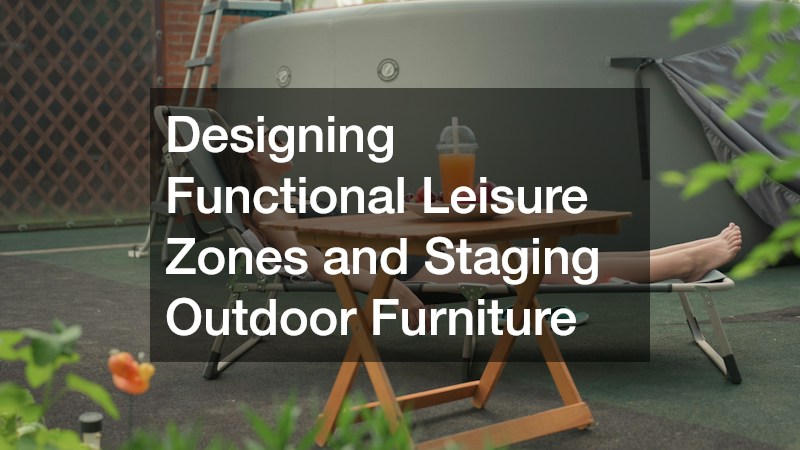
Once physical site obstructions are cleared and structural safety is assured, focus shifts to interior design principles applied outdoors. A successful entertainment space depends on logical zoning, clear traffic pathways, and weather-resistant comfort amenities.
Establishing Distinct Functional Areas
Treat your outdoor space like an open-concept interior floor plan by creating designated sub-zones for cooking, dining, lounging, and recreation.
-
The Culinary Zone: Position outdoor kitchens, grills, and pizza ovens close to interior house doors to streamline food preparation and serving.
-
The Formal Dining Area: Place large dining tables and chairs under shade structures like pergolas or umbrellas, ensuring ample room for guests to pull back chairs comfortably.
-
The Fireside Lounge: Locate soft sofa seating and lounge chairs around fire pits or outdoor fireplaces in quieter corners of the yard to encourage cozy evening conversations.
Layering All-Weather Comfort Features
Extending the usability of your outdoor living zone into early mornings and late nights requires incorporating smart comfort amenities.
Install overhead infrared heaters under patio roofs or pergolas to keep guests warm during chilly spring and autumn evenings. Mount outdoor-rated ceiling fans above dining spaces to generate gentle air movement that cools guests and keeps pesky insects away during hot summer afternoons. Integrated ambient LED lighting along stair risers, seating walls, and surrounding plantings ensures safety while creating a warm, magical ambiance after sunset.
Master Outdoor Living Upgrade Planning Checklist
Use this practical, step-by-step checklist to guide your outdoor living transformation from initial site clearance to final furniture staging.
Structural Inspection and Site Preparation Stage
-
[ ] Inspect outdoor fireplace masonry, mortar joints, and flue tiles for water damage or cracks.
-
[ ] Schedule professional masonry repairs and install stainless steel spark arrestor caps.
-
[ ] Identify trip hazards, decaying tree stumps, and uneven ground across living zones.
-
[ ] Execute subsurface root grinding or extraction to create stable foundations for hardscapes.
-
[ ] Assess mature trees overhead for dead branches, leaning trunks, or canopy decay.
Land Clearing and Foliage Care Stage
-
[ ] Hire certified tree clearing specialists to safely remove hazardous or dead timber near living zones.
-
[ ] Prune low-hanging branches to open sightlines, increase sunlight, and improve airflow across patios.
-
[ ] Schedule soil aeration, deep-root fertilization, or pest treatments for heritage trees.
-
[ ] Contract heavy land clearing crews if expanding lawn borders into dense wooded areas.
-
[ ] Order bulk hardscape supplies—including crushed granite, river rock, topsoil, and mulch—for ground prep.
Layout Design and Amenities Staging Stage
-
[ ] Map out distinct functional zones for cooking, formal dining, lounging, and lawn games.
-
[ ] Install weather-resistant hardscape surfaces like pavers, flagstone, or composite decking.
-
[ ] Position all-weather sofa sectionals, dining tables, and lounge chairs in logical groupings.
-
[ ] Add all-weather comfort features like infrared heaters, outdoor ceiling fans, and ambient lighting.
-
[ ] Plant decorative borders and layer fresh mulch or stone to finalize property borders.
Transforming your backyard into a premium outdoor living and entertainment zone is one of the most rewarding home improvement projects you can undertake. By eliminating safety hazards, leveling uneven ground, and restoring structural fire features, you establish a solid foundation for an inviting outdoor retreat. Thoughtful layout design, combined with durable hardscape materials and all-weather seating, allows you to enjoy the beauty of the outdoors with all the comfort and convenience of your interior living spaces.
This physical expansion fundamentally redefines how you utilize your entire property. By converting raw, unmanaged yard space into intentionally zoned living areas, you effectively increase your home’s usable square footage without the exorbitant costs, permits, and long-term disruption of structural interior additions. Eliminating lingering site hazards—such as precarious tree limbs overhead, subterranean root trips, and crumbling fireplace masonry—removes the subconscious friction that often keeps families trapped indoors. When outdoor spaces are safe, level, and functionally intuitive, stepping into the backyard becomes an effortless, daily habit rather than an occasional event.
Investing in your outdoor property yields immediate lifestyle benefits, providing a peaceful sanctuary for family relaxation and a dynamic setting for hosting memorable social gatherings. As your outdoor living zones evolve, they create a seamless connection between your home’s interior and the surrounding natural environment, elevating your daily quality of life while adding lasting appeal and value to your property for years to come.